
09 Aug 2025, Talia Songur | Coordination and Media Officer, FHNC
Cyprus, with its rich cultural tapestry and ancient traditions, has long been a place where craftsmanship, resourcefulness, and respect for nature thrived. Traditional garments like the saya and vraka were handwoven from natural fibres, crafted for durability, and passed down through generations—an approach we now recognize as inherently sustainable and circular. These practices reflected a deep-rooted understanding of living in harmony with the environment, where nothing was wasted and everything had value.
Today, as Cyprus faces complex environmental challenges, there is an urgent need to revisit and rethink its relationship with fashion and production. The global fashion industry—valued at $2.4 trillion and employing over 300 million people—is among the most polluting, responsible for 92 million tonnes of textile waste annually and significant contributions to climate change, water pollution, and resource depletion.
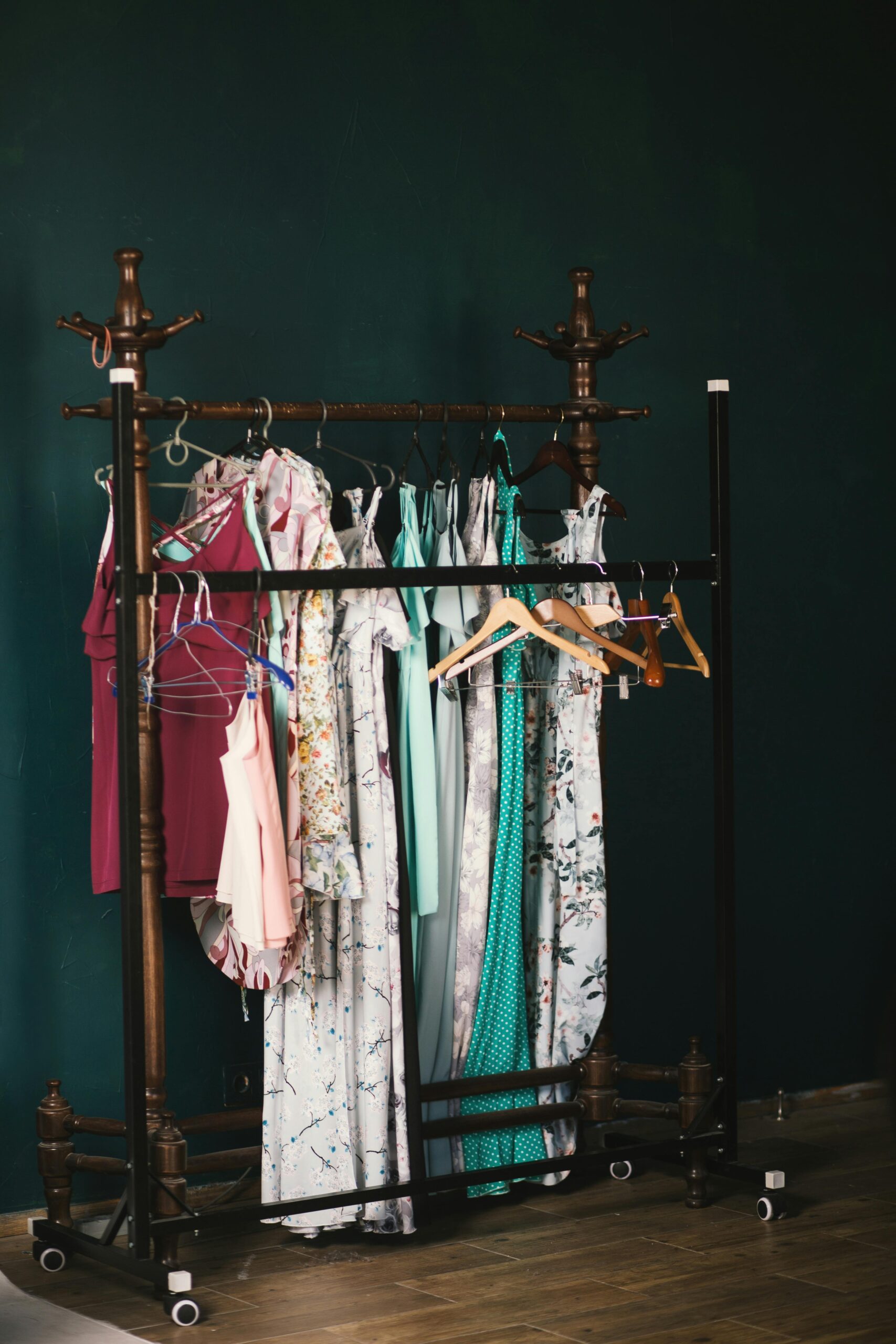
As a small island nation with limited natural resources and a fragile ecosystem, Cyprus is especially vulnerable to these global pressures. Heavy reliance on imported fast fashion has exacerbated the problem, straining the island’s waste management systems and contributing to environmental degradation.
But Cyprus is also uniquely positioned to lead by example. Its rich history of circular practices offers a blueprint for sustainable living in the modern age. Embracing a circular economy—one that designs out waste, keeps materials in use, and regenerates natural systems—is not just an environmental imperative for Cyprus; it is an economic and cultural opportunity. By investing in circular strategies across industries, from agriculture and tourism to manufacturing and fashion, Cyprus can strengthen its local economies, protect its biodiversity, and reinforce its cultural identity.
Fashion Heritage Network Cyprus (FHNC) is one example of how tradition and innovation can come together to advance circularity in practice. As a volunteer-driven platform, FHNC is committed to preserving and redefining Cypriot fashion heritage through sustainable and circular design. Circularity isn’t new to Cyprus; our ancestors mended clothes, reused fabrics, and depended on locally sourced materials. FHNC builds on this legacy by bringing together emerging Cypriot designers, artisans, and creatives who share a vision of sustainability and cultural preservation.
At FHNC, we reinterpret traditional garments and techniques for today’s world. Historic pieces originally made from natural fibres such as wool and cotton are reimagined in contemporary collections that honour heritage while embracing environmentally responsible design. Upcycling lies at the core of our approach—transforming discarded textiles into innovative, meaningful designs that extend the life cycle of materials and reduce waste. We also place a strong emphasis on local sourcing and production, encouraging the use of Cypriot wool, cotton, and natural dyes derived from local plants and minerals. This not only cuts down on transportation emissions but also supports local farmers, artisans, and rural communities, helping to revive endangered traditional techniques.
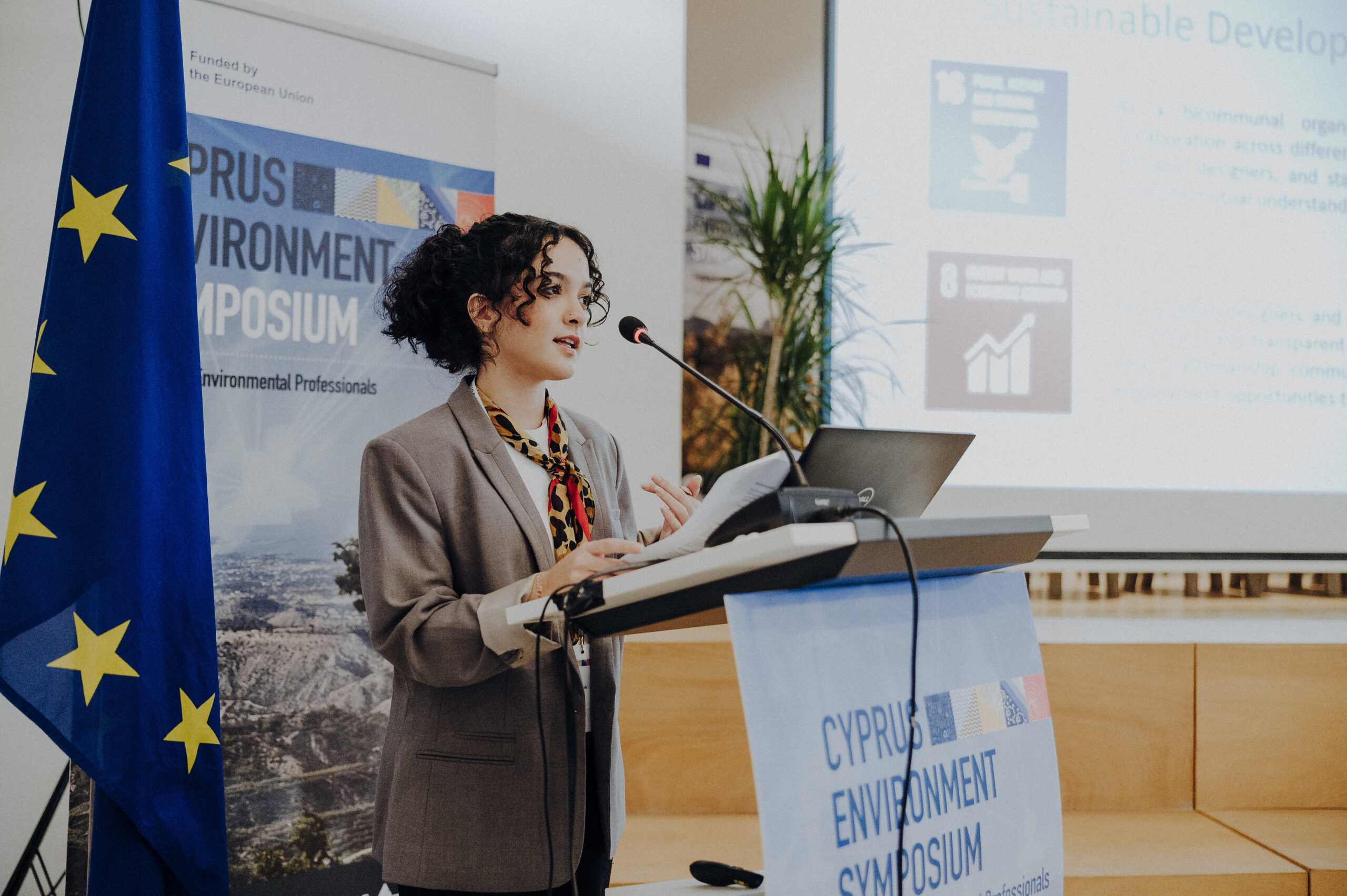
FHNC is proud to be part of this movement. Over the past few years, we’ve achieved key milestones that have brought Cypriot sustainable fashion to the forefront. Our REVIVE exhibitions in London and Cyprus showcased contemporary collections inspired by Cypriot tradition, crafted with circular design principles. In 2024, we participated in the Cyprus Fashion Film Festival, presenting sustainable collections that drew from local architecture and history.
FHNC was also honoured at the Cyprus Diaspora Forum with the "Culture and Art" award, recognising our contribution to cultural preservation and sustainability. Our work has been academically recognised as well, featured in The Palgrave Handbook of Sustainability in Fashion, in a case study titled The FHNC: A Case Study for the Handbook of Sustainable Fashion. This publication highlights our initiatives in upcycling, local sourcing, and community engagement, positioning Cyprus within the global movement toward responsible fashion.
But FHNC’s mission is just one piece of a much larger puzzle. For Cyprus to truly embrace a circular economy, collaboration across sectors and communities is essential. Supporting local craftsmanship, reducing dependency on imports, and investing in regenerative practices can transform the island into a model for sustainable living. Reducing waste and reusing resources are not new ideas—they are deeply ingrained in Cypriot culture. By modernising and scaling these practices, Cyprus can protect its environment, strengthen its economy, and reinforce its cultural identity.
At FHNC, we ask, “If our ancestors were sustainable, why can’t we be too?” This question drives our belief that Cyprus’s heritage offers invaluable lessons for building a circular future.
Now is the time for Cyprus to reclaim its traditions, empower its communities, and lead the way in creating a circular economy that honours its past and safeguards its future.
Talia Songur
Discover MoreThe content of this blog is the sole responsibility of the author and do not necessarily reflect the views of the European Union.