07 Jul 2025, By Natasa Ioannou | Project Coordinator, Friends of the Earth Cyprus
Energy communities are collective initiatives or cooperatives where citizens, local businesses, and municipalities cooperate to produce, manage, and consume renewable energy. Energy that is local, clean, safe, cheap and of course democratic and renewable. These communities operate on a decentralized and participatory model, prioritizing local renewable energy generation and democratic decision-making. Members of energy communities have the power to participate and actively co decide actions of their energy cooperative, empowering citizens with tools to take control of their energy production and needs, contributing to economic resilience, energy security, and environmental sustainability.
These communities emphasize the decentralization, self-sufficiency and sustainability of our electricity and aim to reduce electricity bills, reduce carbon emissions and socially empower citizens who now have energy in their hands. It is the basis for the active role of citizens in energy production and management, promoting Energy Democracy.
Energy Communities are the centre of Energy Democracy
Energy democracy is a concept that shifts energy production and distribution away from corporate monopolies and places it in the hands of local communities. Energy democracy sees the shift to renewable energy as a chance to redistribute political and economic power in the direction of equality rather than as a simply technological problem. It combines the transition to renewable energy with initiatives and actions to democratize renewable production and management. Energy Democracy ensures that energy remains a public good rather than a commodity controlled by a few private entities, and supports decentralising energy systems, increasing public participation in decision making, and providing social ownership in any related renewable energy infrastructure.
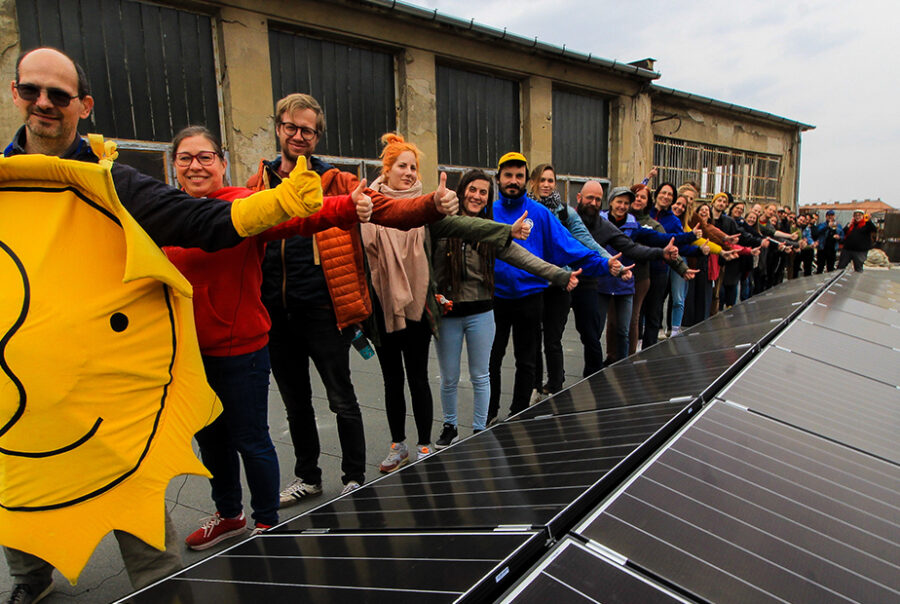
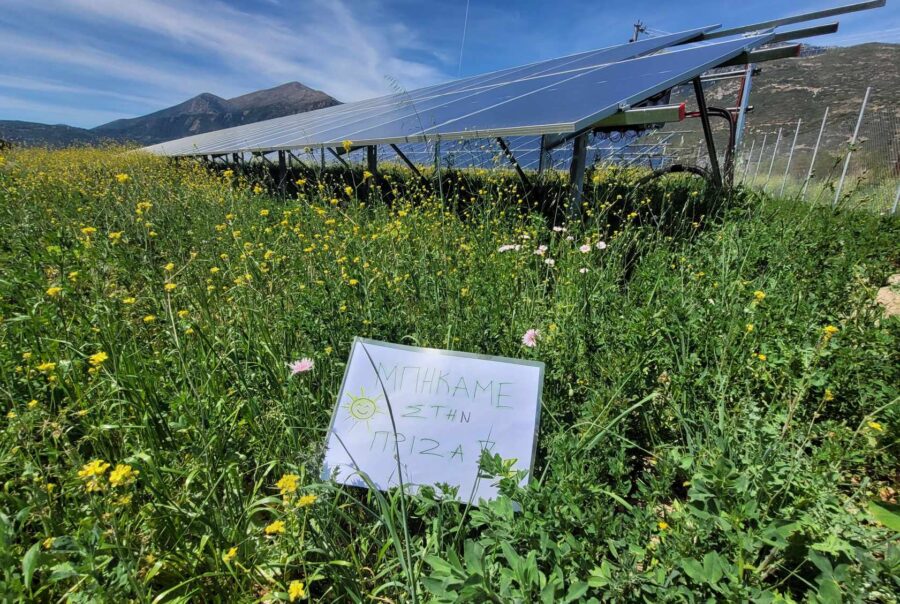
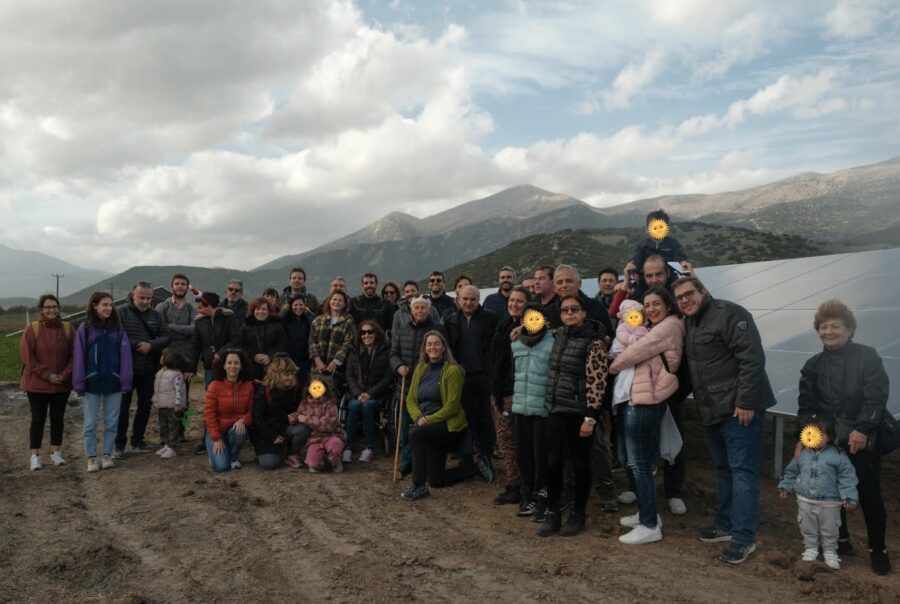
Energy Communities are a tool for Environmental Peacebuilding
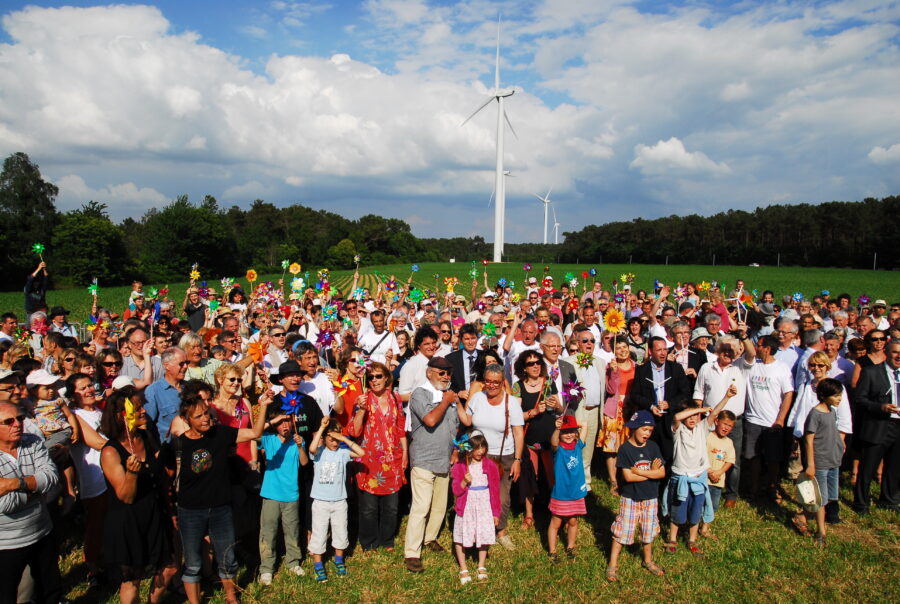
In divided societies, shared environmental challenges can serve as a foundation for cooperation, collaboration and peace building. Energy communities present a unique opportunity for peacebuilding by fostering collaboration, and working together to develop renewable energy projects, produce clean and safe energy, provide energy to both communities that have been historically divided and build mutual trust and interdependence.
Imagine a Greek Cypriot and a Turkish Cypriot, standing side by side, installing solar panels that will power their neighbourhoods together. Imagine how the very act of co-owning a wind turbine or a solar park creates a bond that is rooted in shared responsibility and mutual benefit. This is the basis of peacebuilding, working together, in partnerships, beginning to work actively and concretely in co creating a shared sustainable energy future.
Shared ownership means shared hope. It means that both communities have a tangible stake in something positive, something that grows with time, something that proves we are capable of building together. Energy communities are not only about kilowatts and megawatts. They are founded on shared trust amongst members, learning to rely on each other, generating not only renewable energy but also generating understanding, resilience, and the possibility of lasting peace.
Natasa Loannou
Discover MoreThe content of this blog is the sole responsibility of the author and do not necessarily reflect the views of the European Union.