09 Sep 2025, By Emma Louise Charalambous | Photographer & Artist
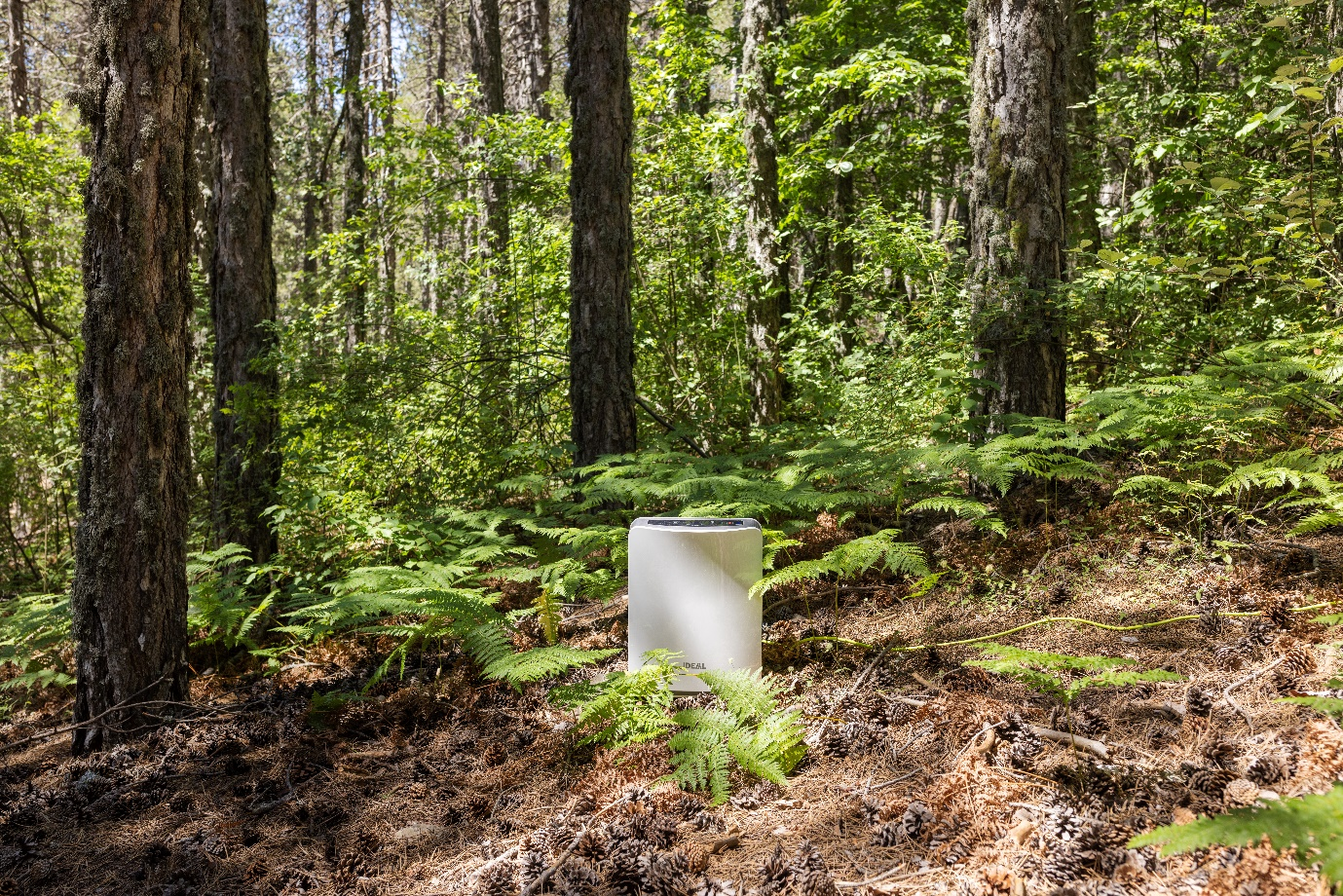
In a world where clean air should be a fundamental right, air purifiers have become a paradoxical necessity. As pollution levels rise and concerns over air quality and our health deepen, many turn to these devices for refuge, seeking comfort in the promise of purer indoor spaces. Yet, their very existence is a symbol of a deeper, systemic issue—one that demands urgent action. Air purifiers offer temporary relief, but what about the root causes of pollution?
The Cost of Air Pollution: A Shared Crisis
Each year, air pollution claims approximately 7 million lives prematurely worldwide. In Cyprus alone, the European Environment Agency (EEA) estimates that 600-800 people die prematurely due to poor air quality. Urban dwellers in Nicosia live, on average, one year less than their fellow islanders residing in the mountains because of air pollution.
Transport, energy production, real estate development and mining are some of the biggest human-driven sources of air pollution locally on our island, the impact of which is felt on both sides of the divide. Coupled with the simultaneous degradation of climate and desertification have led to Cyprus having on average more months of unhealthy air levels than healthy ones.
Reimagining Air Quality as an Island-Wide Commitment
What if we saw air quality not just as an environmental issue, but as an opportunity for a shared, intercommunal movement? By fostering a holistic, island-wide approach that integrates individual awareness, community action, and systemic accountability, we can transform clean air from a privilege into a universal right. As air knows no boundaries, neither should our commitment to protecting our island.
Strength in Unity: What Can We Do?
On an individual level, starting small helps. Education and awareness are the first stops to tackling any issue, as knowledge gives us the ability to understand and recognise where issues start, and potential ways of solving them. Individual lifestyle changes such as adopting more carbon neutral modes of transport, like biking or walking, and greener practices, such as home composting, are where some people begin. Others harness the power of the consumer and choose more sustainable products and services to help keep pollutants out of the home and (eventually) out of the production line. While filling your house with air purifying plants and cultivating gardens can act as small personal filter pockets within our urban space, it is imperative that we also look beyond the immediate home environment.
On the community level, group efforts have proven to enact change. Following the devastating forest fires of 2019 that burned almost 600 hectares of land, Cypriots across the island united in tree-planting initiatives, promising to plant thousands of trees to repopulate the island’s foliage. In the case of the Akamas Peninsula, direct community actions, NGOs and citizen initiatives have played a crucial role in shaping policies regarding the region’s protection. Campaigns such as Save Akamas movement and organisations like Birdlife Cyprus have mobilized public support, bringing attention to the ecological importance of the area and pushing the government to reconsider its development plans in alignment with conservation obligations. By supporting and joining environmental movements, we reclaim the air we breathe and push forward toward a healthier, more sustainable Cyprus.
While individual and community efforts are vital, real change requires systemic transformation. Policy-makers must acknowledge that clean air is not a commodity, it is a fundamental necessity. This requires implementing stronger regulations on emissions, expanding green urban initiatives, and investing in renewable energy sources. Industries must also be held accountable for their environmental impact, and incentives offered for adopting cleaner technologies and sustainable practices, helping them transition into a more sustainable mode of function. Without structural shifts, air purifiers will remain nothing more than a band-aid solution, masking the symptoms while the root causes persist.
Our Island, Our Responsibility
As Cypriots, our connection to the land, sea, and sky is undeniable. Nature is woven into our culture— from olive picking in late fall and springtime celebrations in the fields, to escaping to the sea every summer to indulge in the water that surrounds us. Our identity is intertwined with the island itself and I look forward to the day where Cypriots across all levels of society, from policymakers to individuals, start loving and protecting their land, and with it their identity.
Emma Louise Charalambous
Discover MoreThe content of this blog is the sole responsibility of the author and do not necessarily reflect the views of the European Union.